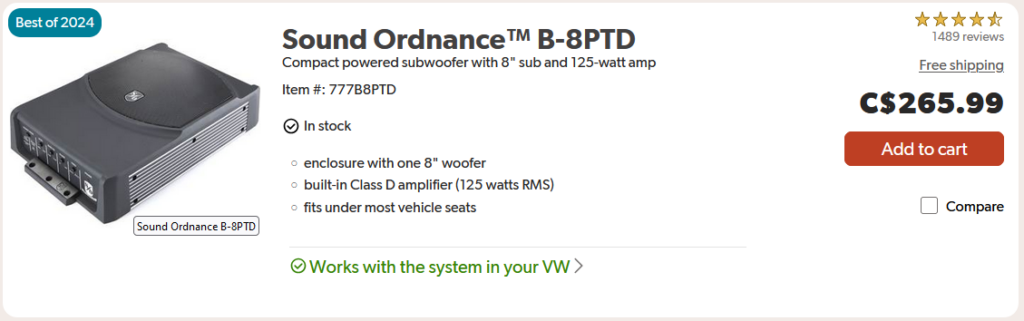
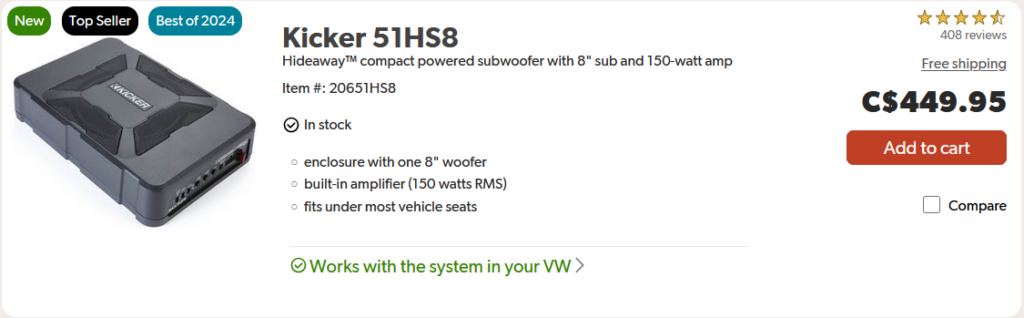
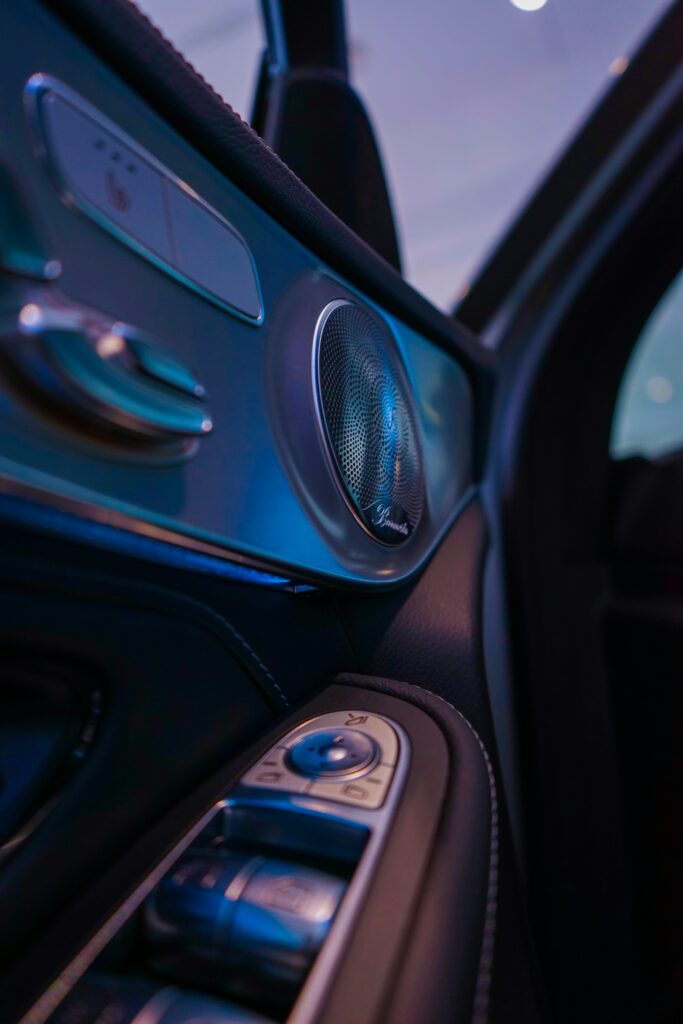
Now is the time to start looking into where the setup will reside in the Blue Bomber (my vehicle’s nickname). After reading through a forum regarding the best location for a subwoofer and amplifier to sit, I am considering having both pieces of technology rolled into one device.
Here is a video showing the process of installing an under seat subwoofer:
I realize these prices are not high in terms of audio modifications, or mods in general, however they do seem high for a student in full-time studies.
What’s the Next Move?
The next move involves more research (go figure!) to find if I can purchase a gently-used under seat sub and amp device for the VW. Likely possible sources include Facebook Marketplace for MK4 vehicles being parted out and local wreckers such as Malahat Wreckers.
What could we do, moving forward, to ensure higher accessibility for website pages? In our Technology and Innovation class today we learned several ways to improve the accessible features of our sites.
The image above now has an ‘alt. text’ that describes it as such:
“An image of a distressed yellow-coloured disability sign for a parking space. Symbol is of a stick person in a wheel chair painted on dark, clean pavement with the person facing to the left.”
Author’s added described image
The image at the top of the page also has a description now that can be utilized to describe what the image depicts.
Closed Captioning in Videos
Another accessible tool is the use of ‘Closed Captioning’ which means embedding described video with real-time text appearing on the screen as the video plays.
The closed captioning allows for people who are hard of hearing, D/deaf, have a hearing disability or challenge, and those who have audio and visual learning styles to access videos more easily.
The efforts made by able-bodied people to create more inclusive media and entertainment will never incapacitate them. It will, however, allow our ever-evolving world to be much more accessible for people who encounter barriers everyday.
I picked this song because my dad would listen to it on a CD player on Sundays. It is a song that means a lot to him but I’ve never asked why. Some things are meant to stay private and I respect that.
Here is my video of me finally playing it all the way through! It’s a bit slow and I make some mistakes. I’m working on speed and on perfecting the piece. I hope you enjoy!
Please excuse the lighting ripples and my oven timer going off towards the end. I was baking while playing my song. You’ll also notice that I had to edit it because my phone ran out of storage while I was filming so I had to pause and delete some stuff to make room! This is reflected by the angle shifting halfway through my song. Ah well, these things happen!
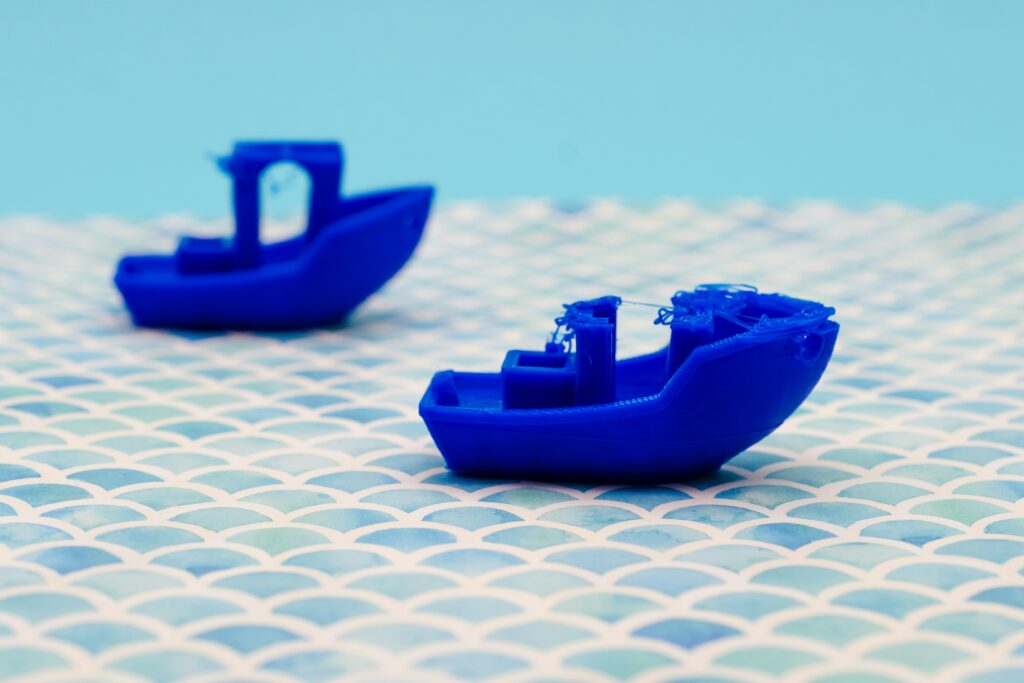

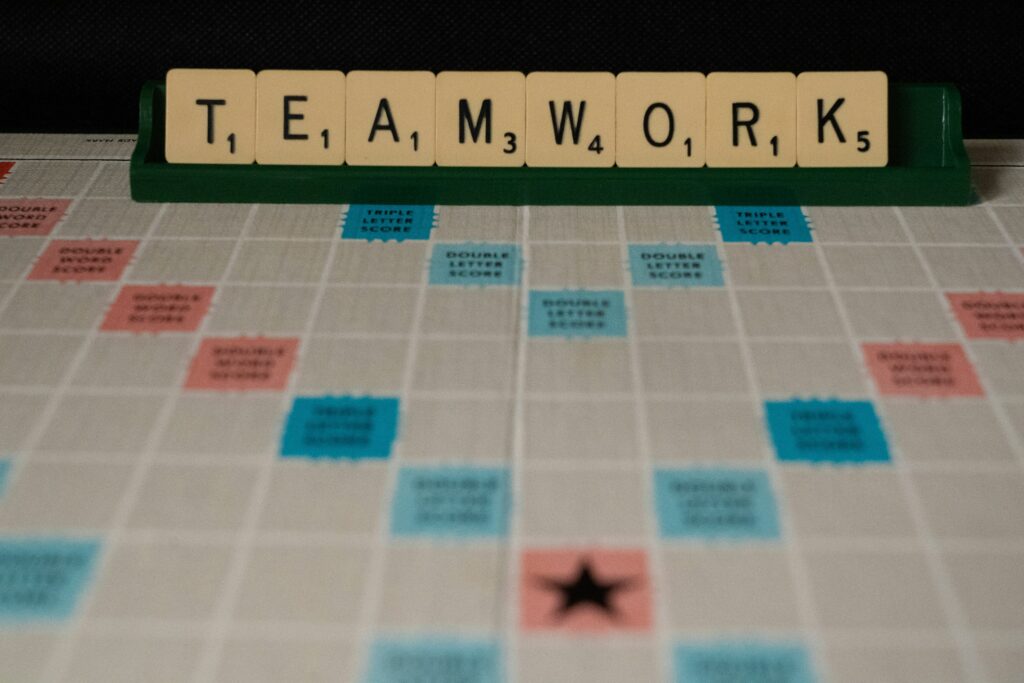
3D Design and Printing could be used for language revitalization through the use of interactive games and activities that stimulate learning with tactile qualities. One of the greatest advantages of 3D printing and design is the ability to take something that is simply visual and further its development into a kinesthetic tool. It could be used to upgrade games like Scrabble with virtually very little cost and no new supplies other than the printed letters.
There is no faster nor more effective way to learn than experiencing something that evokes an emotional response. Ideally, these experiences will primarily be positive emotional responses.
Furthermore, the printed tiles could be used to showcase a word a day and placed somewhere at home or in the classroom with a short write-up about the meaning of the word. The students could come up with their own write-ups or it would be a great opportunity for a new word to be discovered and students get to find the definition on their own!
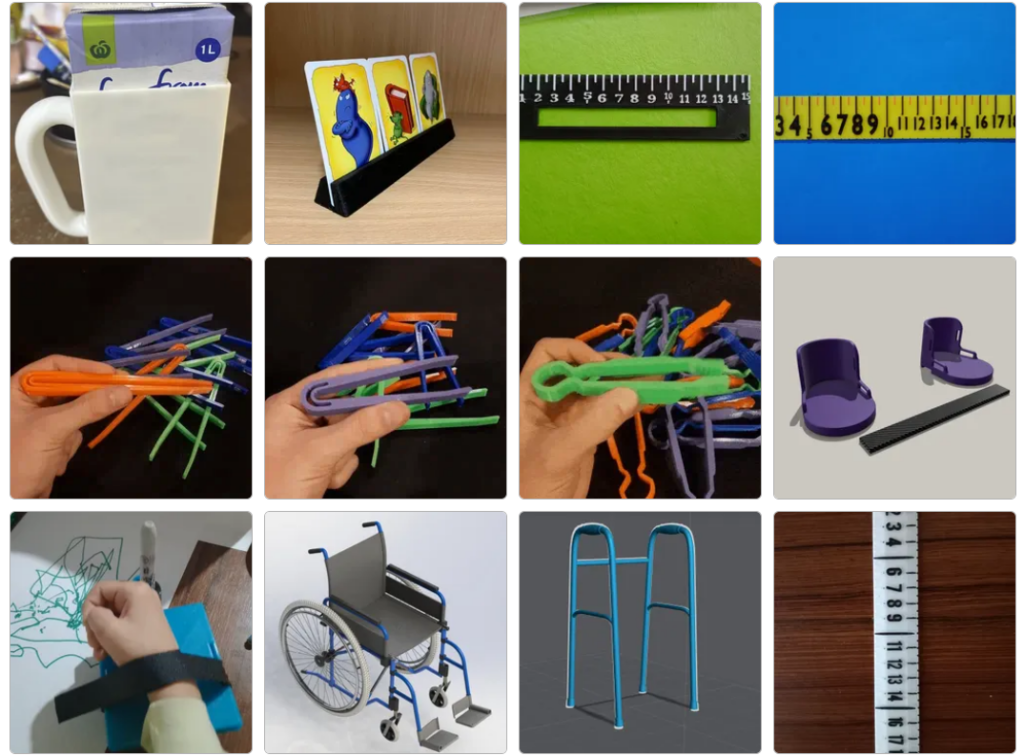
3D Design and Printing could be useful in a classroom for a variety of applications for the students and teachers. It could be used for tools to strengthen their fine-motor skills with various-sized objects that could be specifically tailored to their needs. There could be devices made to help children hold pencils and the possibilities for adaptations for people with disabilities are endless!
Check out this website I found with print files that are downloadable to create 3D tools to aid people with disabilities: Cults 3D
There are pros and cons, like with many things, for 3D printing and designing. We have covered many pros about the concept, but what about the cons? For one, children may see peers with tools that they want but do not need. This could cause jealousy or upset. Another con would be that not all schools will be able to afford a 3D printer, the materials, and the upkeep of them. It may divide schools further with socioeconomic differences. There also exist the concern for the misuse of the equipment. Most, if not all, of these concerns could be addressed with solutions or alternative methods, ideally.
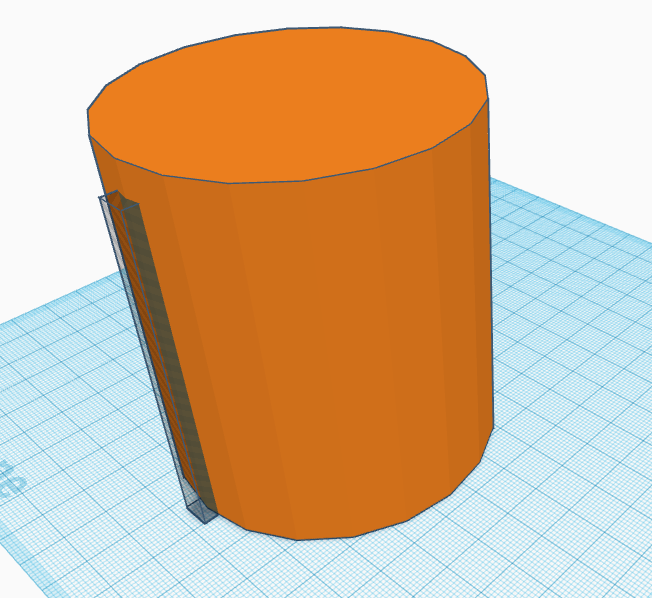
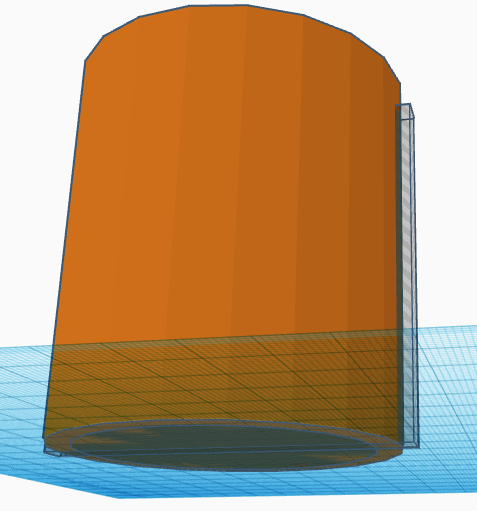
Below are two screenshots of the item I designed for a paddle board to hold a can of soda! The slot is for the paddle board cord to go through and hold the cup holder onto my paddle board.
In my research, I have found how to install the new single din head unit and accompanying compartment for storage. As shown in this video, the installation seems relatively straightforward.
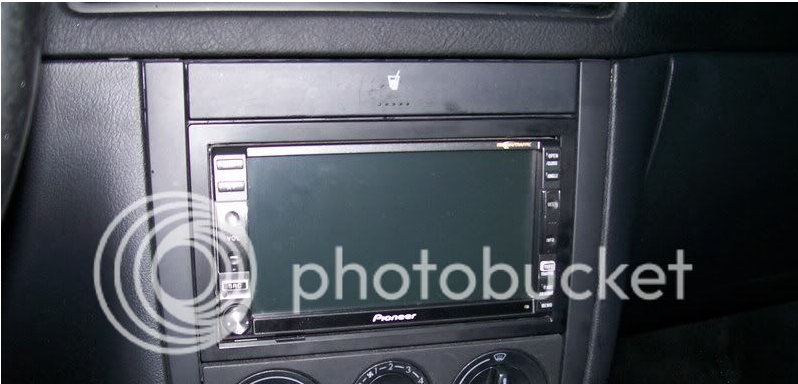
Additionally, I will be likely wanting to install the in-dash cup holders as my dash has the room for it; I just need the two new pieces: the cup holder and the exterior trim piece that covers the cop holders as the piece does not accompany. It will look like this:
The cup holder piece appears to be easy to install. The task will be to find the proper part as there is some discussion between which models would be best and longest lasting.
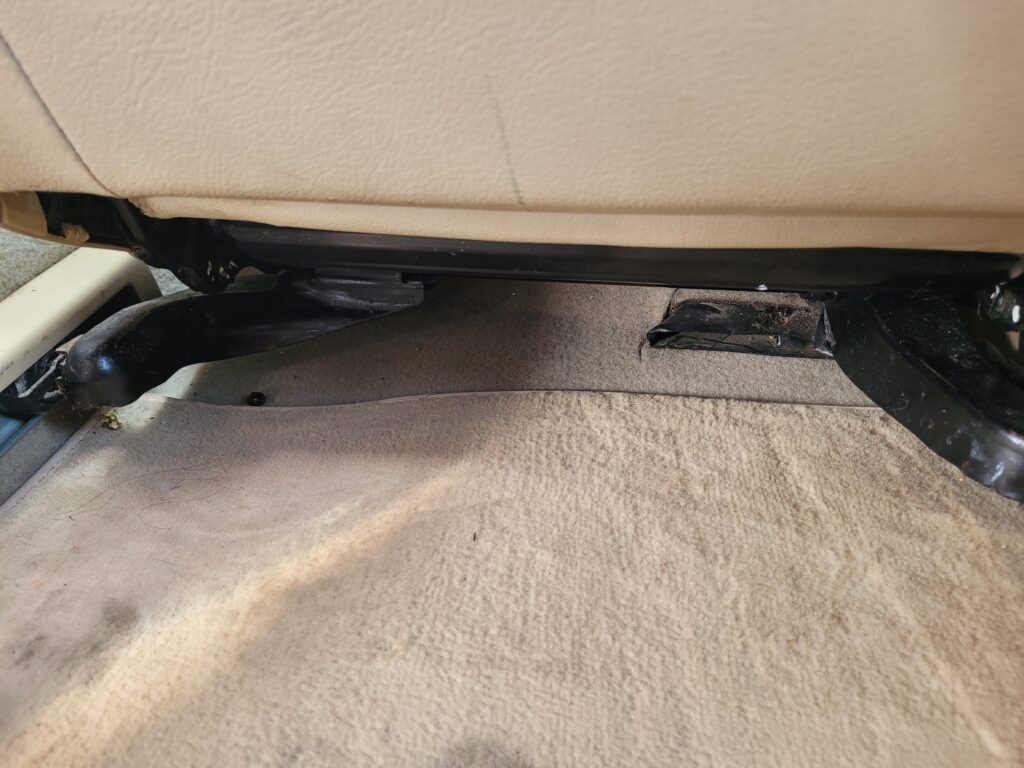
An interesting predicament is the deciding how to integrate the subwoofer and the amplifier into my vehicle without sacrificing the storage space for which the car was purchased. I have been conducting research to determine if or how it will be possible to install the new technology in my vehicle in a way that will not interfere with the usability.
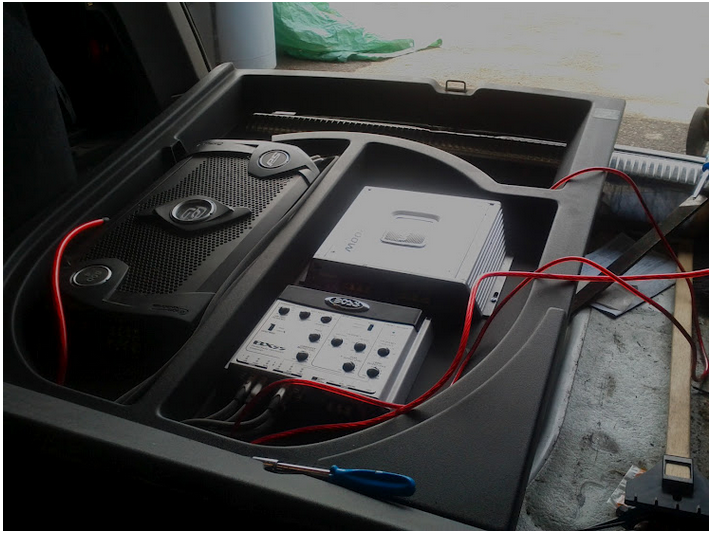
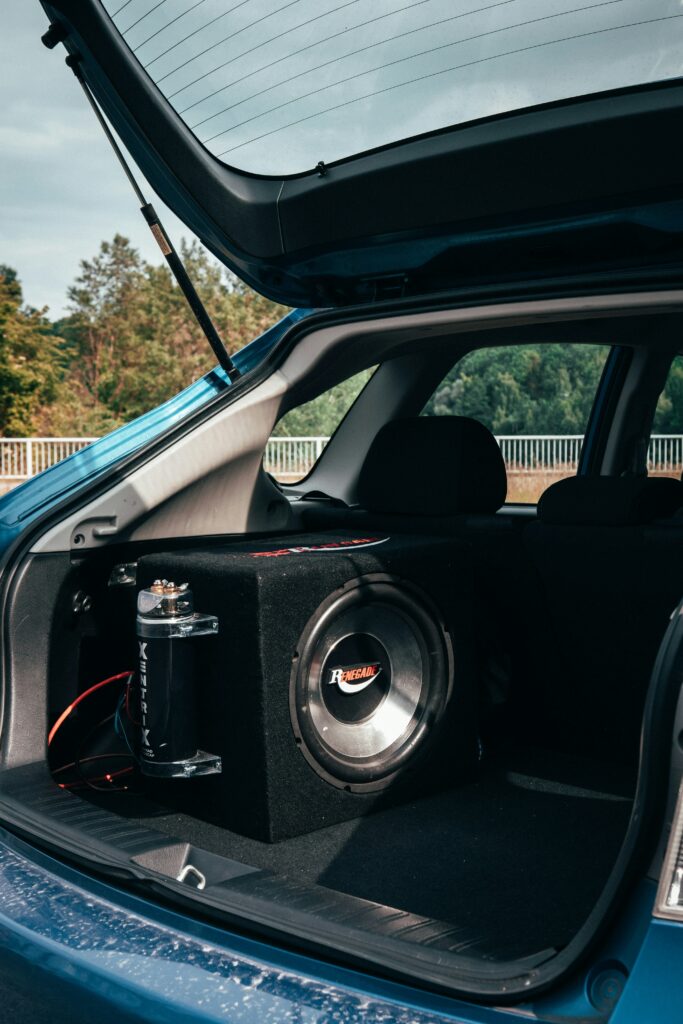
This is an example of how the setup would utilize only the space below the trunk carpet, thus eliminating the need for a housing unit to take up my trunk space.
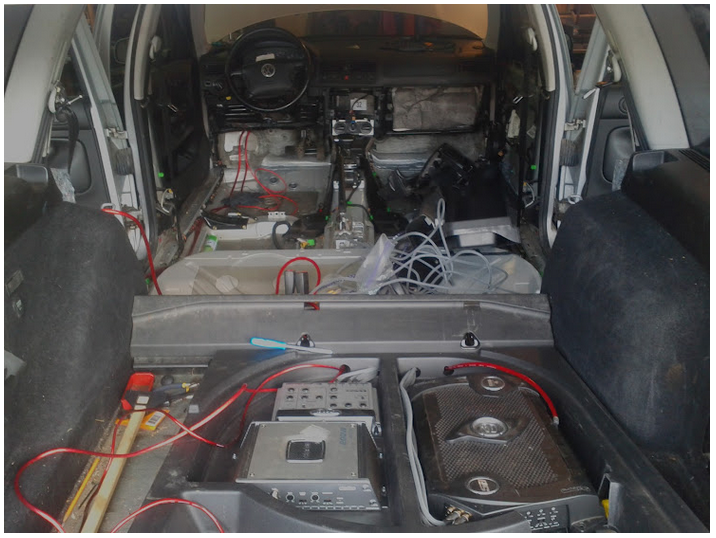
However, as shown above, the driver did remove the majority of the interior to create a system that works for them. I am not looking to do the same steps to achieve this so my vision will require further research.
The next steps are to learn how much work it will be to install the speakers and tweeters, and to find the amp and sub that could fit in this space.
Progressing with the vehicle stereo system upgrade (Inquiry Project)
I have chosen to upgrade my stereo system in my car.
Photo by Hanne Deener
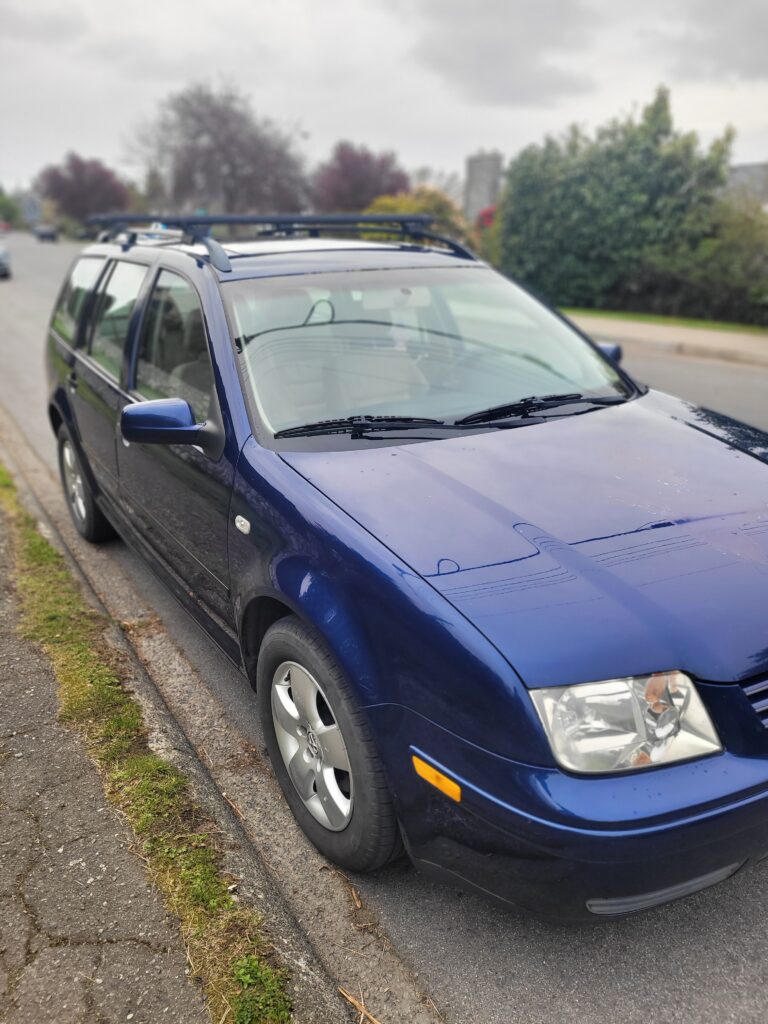
It is a 2006 Volkswagen Jetta MK4 1.9L Turbocharged Direct Injection (TDI) with a station-wagon body. It’s an older vehicle with all stock speakers and head unit.
I have taken a chance on GenAI to assist me in my upgrading endeavours. With the simple prompt of:
“Please find an amp, new speakers, tweeters, single head din digital media receiver, and subwoofer for a VW 2006 mk4 Jetta for under $1000”
Hanne Deener
I presented ChatGPT and Copilot with the same information and received these responses:
Product
ChatGPT
Copilot
Digital Media Receiver
Model: Pioneer DEH-S6220BS Price: ~$130 Features: Bluetooth, USB, and AUX inputs, compatible with Android Auto and Apple CarPlay.
DS18 SDX-P200: This single DIN receiver offers 240 Watts RMS (4 x 60W), Bluetooth, USB, AUX, and a built-in DSP. It’s priced at around $299.951.
Amplifier
Model: Pioneer GM-D1004 Price: ~$150 Features: 4-channel amp that delivers 100 watts RMS, compact size, suitable for driving your speakers and tweeters.
While the interface of ChatGPT seems more user-friendly with easy eye-catching details such as the use of bullet points and headers with numbers listing the items, Copilot offered links for direct research and purchasing power, which is very accessible to the user. ChatGPT did include the necessary additional accessories for installation while Copilot did not.
The next steps for me will be to gauge where the the subwoofer and amplifier would fit into my vehicle, research what kind of intricacy we’re working with for the installation process, and how much it would be to have a shop fix anything I install incorrectly.
Some of the major limitations of GenAI is the inability to provide personalized output, despite specified instructions or information, that takes into account experience and individuality. With students, their work is so specific to their abilities and strengths that personalized feedback is necessary for educational guidance. I expect it would be possible to create generated responses that are specific to recurring errors, such as common mistakes with apostrophes or capitalization, that could be automated. In fact, I am considering creating such a tool now…
For grade 6, the age group I am intending to teach, GenAI could certainly be utilized for students and educators. I would use AI for project guidelines and examples as it would protect student confidentiality while providing the students with an adequate outline for expectations. This brings up another important use for AI: while it may seem impersonal, it can be a great tool for creating broad examples and can be integrated with student work while the learners would remain anonymous through altering pictures or replacing identifying factors on the person. For example, if a picture of a student with their work is to be published, the use of GenAI would allow the image to be doctored to protect identity.
GenAI could be used for bringing students’ projects to ‘life’ with interactive videos and presentations. This vastly expands the possibilities for students to be creative with their assignments. It also promotes comprehension of the limitations and possibilities of GenAI.
As it is becoming more utilized throughout day-to-day life already, it is imperative that students have literacy and familiarity with artificial intelligence.
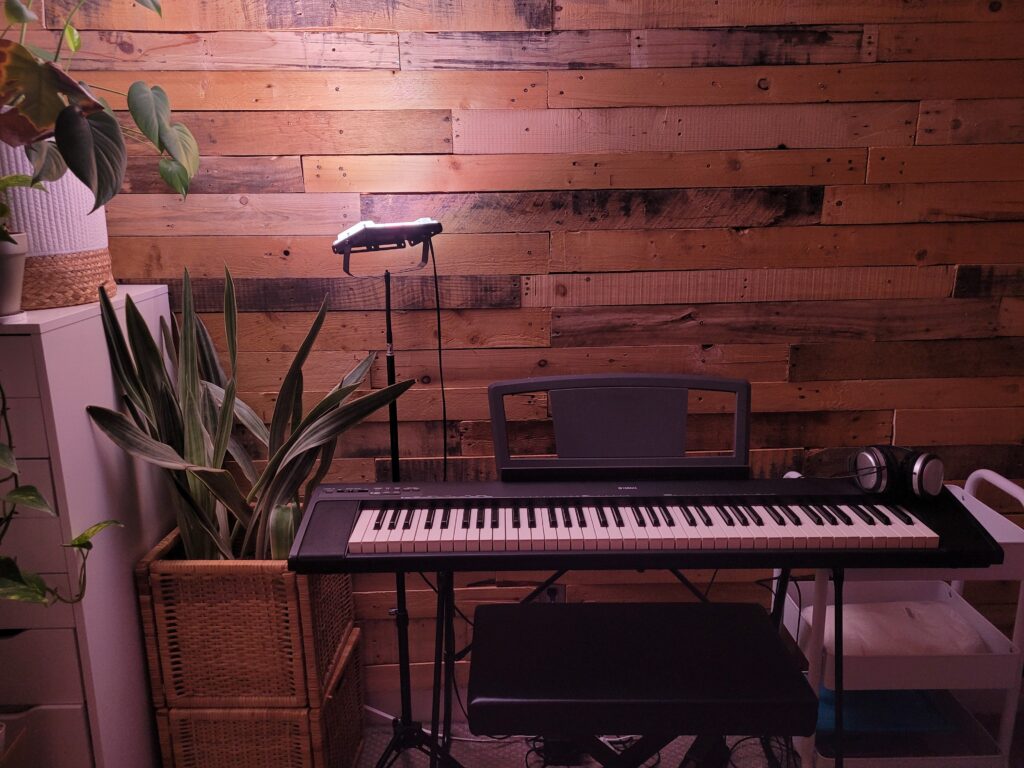
Pictured above is my set-up with a borrowed electric keyboard from my late grandpa that will enable me to practice my learned piano music on this instrument. He used to play piano for me and was an extraordinary pianist. I am excited to start playing the notes this week now that I have a piano to practice on and a video lesson to help me get started.
Above is a YouTube video lesson on how to start learning piano that I really like the energy and vocabulary of and will help me in my musical learning journey.
The reason I picked this video instead of another one is because I like the person who is teaching me and they use examples with easy to understand explanations.
Photo by Hanne Deener
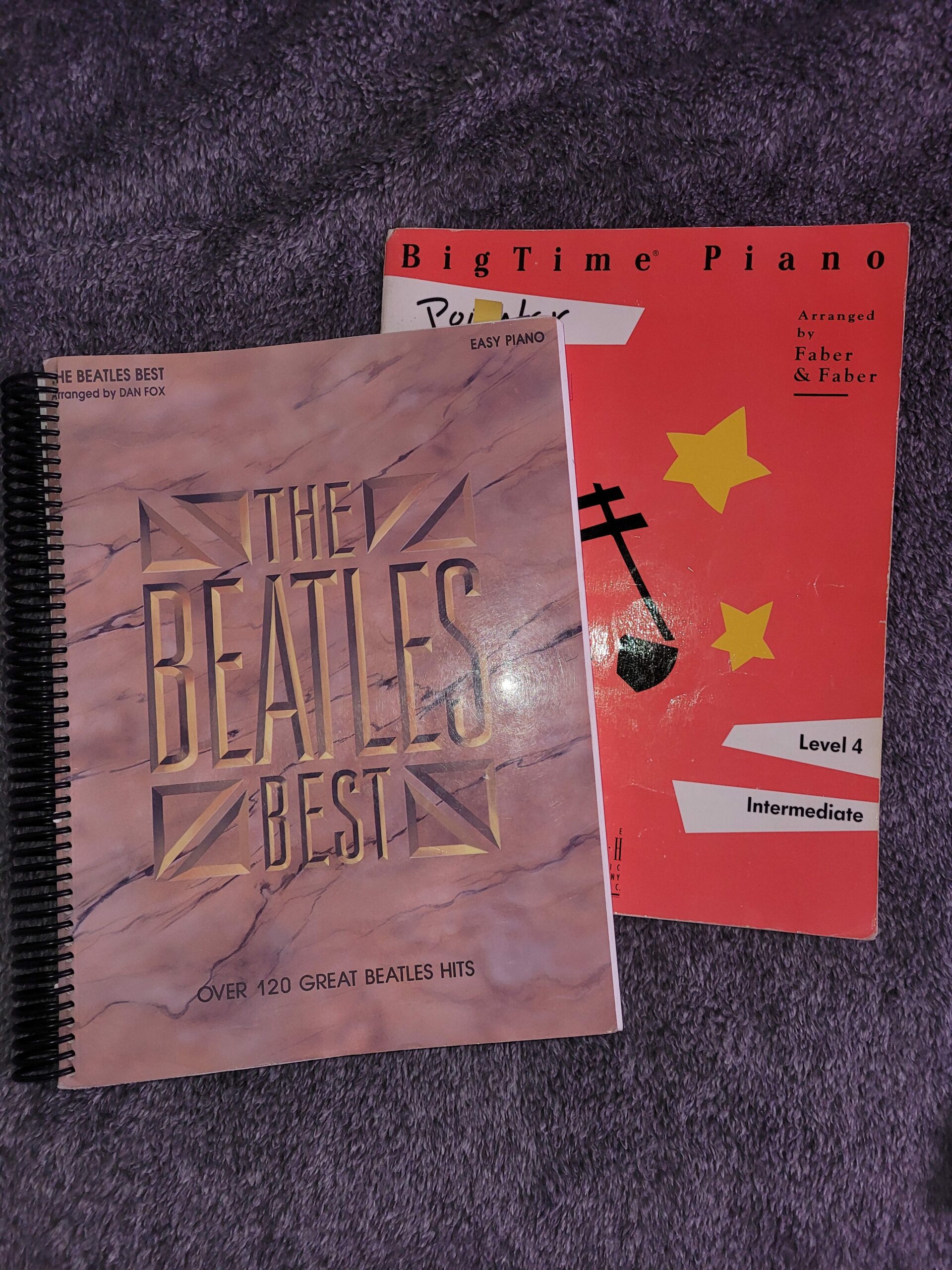
Pictured above in this photo are the two piano books that I found that contain two of the three songs I want to learn. I will be continuing my search for the last song that I need. The songs and their sheet music accompanying will be revealed in the next post so stay tuned to find out what they are! Can you guess which Beatles song I have chosen?
This is the first week of the inquiry submissions. I have several ideas and each have pros and cons accompanying them. Some require more money than others and some will involve the learning of new skills. Each will be challenging in their own ways.
-Have the reclaimed wood materials -Have the wall mounting materials -Shared knowledge and experience with my dad
-Will need to drive up island to work on the project -Will need to buy resin to finish the edges
Mentors Available: My dads
Role of Technology: electric saw, maybe handsaw, planer, drill, phone or computer for research, 360 camera!
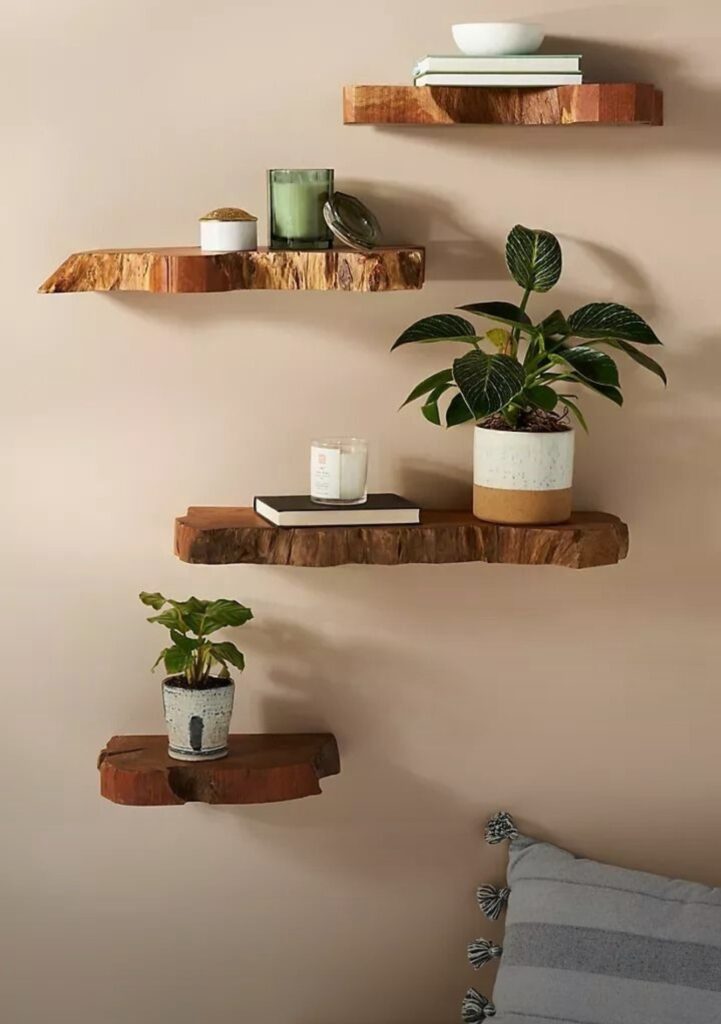
Photo by Dana Yothers on Pinterest
The reclaimed wood plant shelf project will require some meticulous work and the process of learning to use new woodworking tools. It will also take time to progress with the project as each step will have to be completed before moving on to the next. There are likely very few to no shortcuts with this project.
Bench Press 1 Plate (135lbs)
Pros
Cons
-A goal I have really wanted for a long time -Will connect physical and mental health and well-being with academic expectations -I will need to be eating more protein and ensure I am getting proper rest each night for recovery -No to low cost
-Will require me to be more aware of my caloric intake -Potential for injury -Must stick to an expected timeline -Will have to endure the protein consumption ‘ick’
To bench press one 45lb plate on each side of a 45lb bar is a pretty heavy (pun) undertaking. I admit it may be more than I can handle but why not shoot for the moon.
Upgraded Stereo System
Pros
Cons
-Necessary* new skill developed (working on vehicle electronics and learning to wire in the system -Will require lots of research
-May be costly -Lead to frustration -Unpleasant weather to work in
Mentors Available: YouTube perhaps, Rich
Role of Technology: Research conducted online (computer/phone), vehicle wiring, 360 camera!
Upgrading the stereo system of my vehicle is an expensive feat. I trust it will require a tonne of research and likely an equivalent amount of money. I’d like to see what my options are and gauge the cost and work to the desire factor.
What if I told you we could engage our students and children more with their education and actually want to learn. Would this intrigue you? It certainly peeks my interest! This could be achieved through creating a multimedia approach at teaching and through a Flipped Classroom technique. Let’s explore these further.
Multimedia Approach
So what is a multimedia approach anyway? This short video outlines some of the keys to creating a multimedia presentation that will grasp the viewers attention:
The video and audio editing could be easily taught and utilized at a grade 6 level for children to create their own projects and potentially inspire a passion for developing online content. Assignments would become more engaging for children and it could be applicable for any subject. The skills developed in the younger grades have the potential to increase in improvements and complexity for further education and job requirements or opportunities.
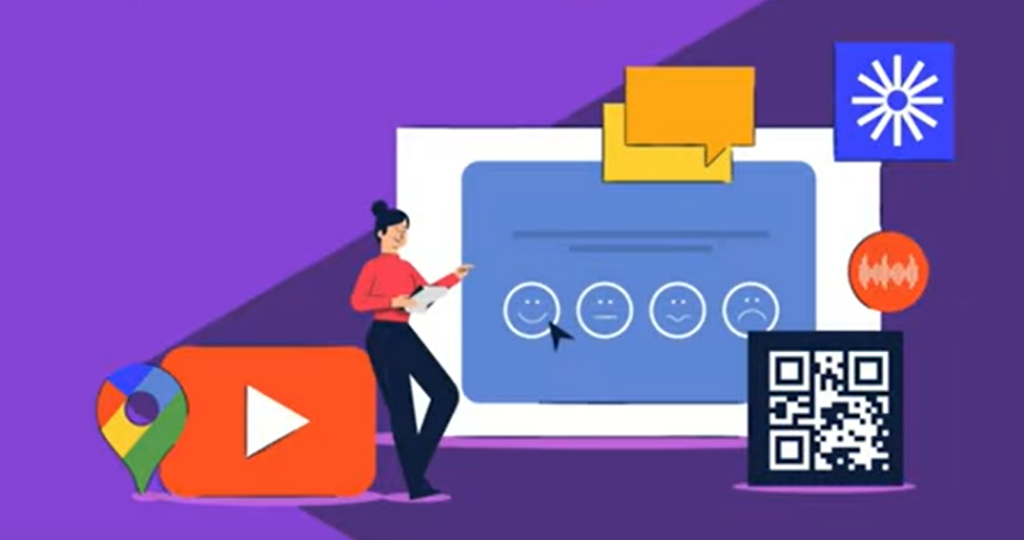
As discussed by Orana Velarde on the website Visme in How to Create a Multimedia Presentation (& Tools to Use), multimedia presentations exceed just text and images; they may include “animation, video, audio, or interactive features like forms, popups and more [to] help enrich [a] presentation both visually and content-wise.”
Picture by Visme on YouTube
With math, the prompts on the screen could include some practice questions for a concept that was previously explained in the video. With Social Studies, a video could be created to explore a civilization through an interactive video with a quiz feature during the video and another quiz at the end. This would be a helpful tool for students to absorb the content while engaging short-term recall. Furthermore, children would be better equipped to complete the in-class tests or discussions while exercising long-term recall.
One caveat to consider with a multimedia approach is the potential affects on attention disorders and whether the layers of stimulation could be a factor of increasing attention deficits or presenting new challenges for learners. With the shorter social media interactions and over-stimulation in a fast-paced world, the adverse affects of leaning into a multimedia approach may need to be calculated.
Barring the concerns of multimedia stimulation factors, the use of audio and video editing could be better for students with learning disabilities who need to take breaks from the video, require slowed or accelerated information, and for those that use closed captioning or bluetooth audio to connect directly to hearing aids. Additionally, an interactive video is far more engaging than a non-interactive video.
From demonstrating the use of a coding language such as Python, to the most effective way to organize a bookshelf, the amount of time a child spends listening to adults is profoundly more than how much time we spend listening to them. The skills children would develop and improve upon with the Flipped Classroom method include, but are not limited to, public speaking, presenting research (provided this is part of the communicated expectations and with respect to the differing age groups), learning how to develop an argument and potentially comprehending an opposing perspective, answering questions, reflecting upon the learning, and progressing a concept further if necessary. There are certainly many benefits to implementing a Flipped Classroom, especially if the child starts learning with a topic they are comfortable with and will gain the ability to present upon a concept about which they are still learning.
Although it’s a new concept to explore a Flipped Classroom, I would more than endorse it. Learning must be collaborative and routine. When I teach, I would ensure each child gets to present on a topic they are passionate about and at which they excel. This would incorporate the interest with the curriculum in a manner that supplements their learning. Nearly every child has an interest that they know more about than some adults realize… sometimes they are not provided the environment in which to share their knowledge.